AllRisk Auto Insurance, LLC Blog |
 Renters insurance is a vital form of protection for tenants, offering coverage for personal belongings, liability, and additional living expenses in the event of unexpected disasters or accidents. However, the requirements for renters insurance can vary depending on the terms of your lease agreement. Understanding the policy requirements outlined in your lease is essential for ensuring you have the proper coverage in place to meet your landlord's expectations and protect your interests as a tenant. In this blog, we'll delve into the importance of renters insurance in relation to lease terms, what to look for in your lease agreement, and how to ensure you have the right coverage to meet your needs.
0 Comments
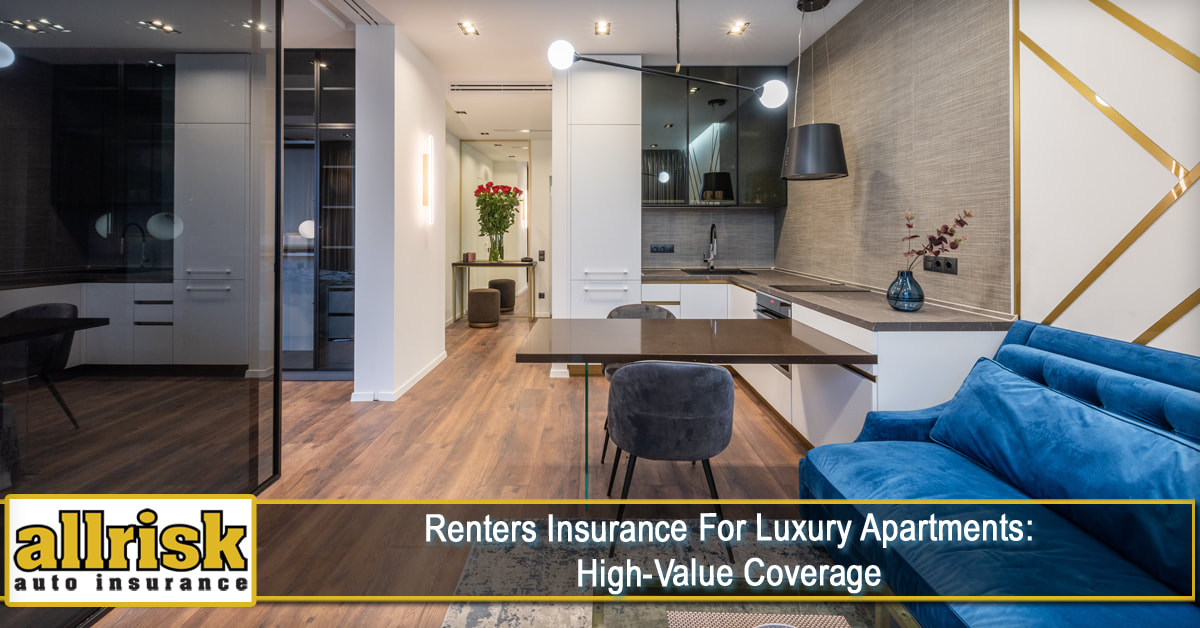 Luxury apartments offer a lifestyle of comfort and convenience, often featuring premium amenities and stylish interiors. However, whether you're living in a high-rise penthouse or an upscale apartment community, the need for renters insurance remains constant. In this article, we'll explore the importance of renters insurance for luxury apartments and how it provides high-value coverage for your peace of mind.
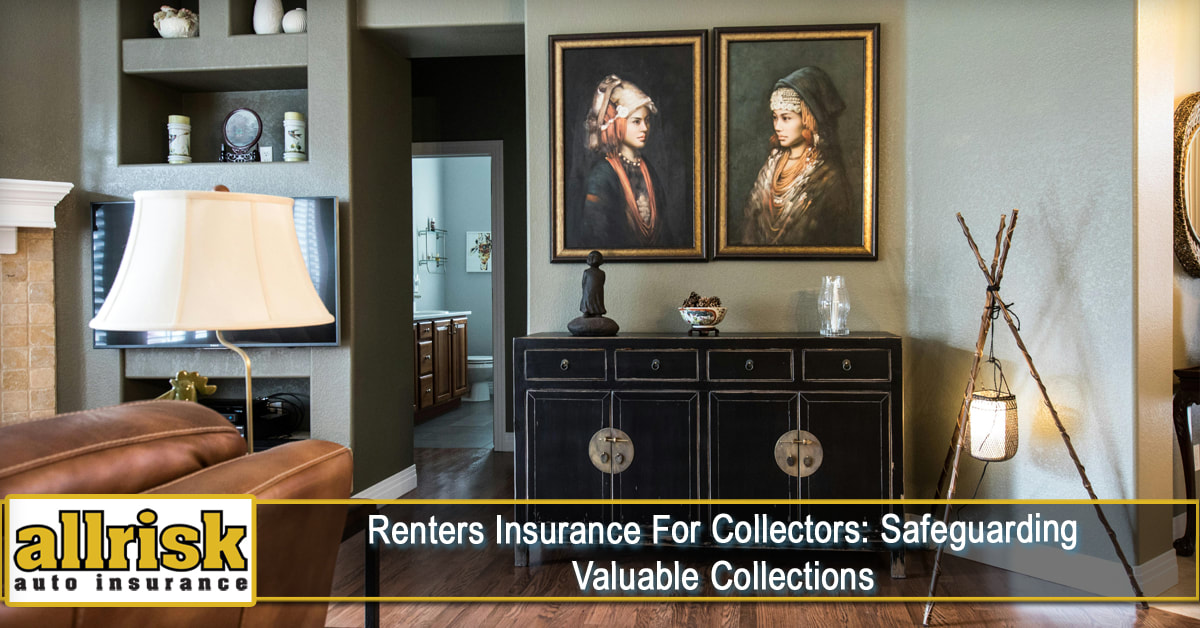 Renting a home or apartment comes with many advantages, such as flexibility and reduced responsibility for property maintenance. However, whether you're an art aficionado, a coin collector, or passionate about vintage vinyl records, one aspect of renting you shouldn't overlook is protecting your valuable collections. This is where renters insurance for collectors comes into play, offering peace of mind and financial security.
 Renting a home or apartment comes with its own set of responsibilities, and one of the most critical is protecting your belongings. Renters insurance is designed to do just that. It provides coverage for your personal property in case of theft, damage, or loss. However, when it comes to natural disasters, the extent of your coverage can vary. In this blog, we'll explore renters insurance and its relationship with natural disasters, helping you understand what is and isn't typically covered.
Safeguard Your Valuable Electronics: Renters Insurance For Gamers And Home Theater Enthusiasts2/5/2024  In today's digital age, our homes are filled with valuable electronic devices, from high-end gaming setups to sophisticated home theater systems. These electronics can represent a significant investment, and protecting them is essential. That's where renters insurance comes into play. In this blog, we'll explore the importance of renters insurance for expensive electronics, how it works, and why it's a smart choice for renters looking to safeguard their digital treasures.
 Renting a home is a common choice for individuals and families seeking flexibility, affordability, or not yet ready to commit to homeownership. However, being a renter does come with its own set of challenges that can affect one's quality of life and financial well-being. In this comprehensive guide, we will explore some of the primary challenges renters face and provide effective strategies to overcome them, ensuring a more fulfilling renting experience.
 Renting a home or apartment has its advantages, with many responsibilities falling on the landlord's shoulders. However, it's crucial to understand that you also have responsibilities, and one of them is securing renters insurance. This insurance provides a financial safety net for various unexpected situations. Let's delve into how renters insurance compensates you.
 Renters insurance is a crucial aspect of safeguarding your interests and assets when you're living in a rented home. While it's not a legal requirement, understanding renters insurance and having the right coverage can provide peace of mind, protect your personal property, and even cover you in unexpected situations.
 If this is your first time renting a place or an apartment, you might not know about renters insurance. Some landlords require this kind of insurance, while some have not. However, even when buying insurance is not required, it is still necessary to put this protection in place.
Most first-time tenants frequently lack a thorough understanding of renters insurance, including what it covers, why acquiring it is so important, and what sort of coverage it provides. To avoid making costly mistakes, here’s a guide to renters insurance. 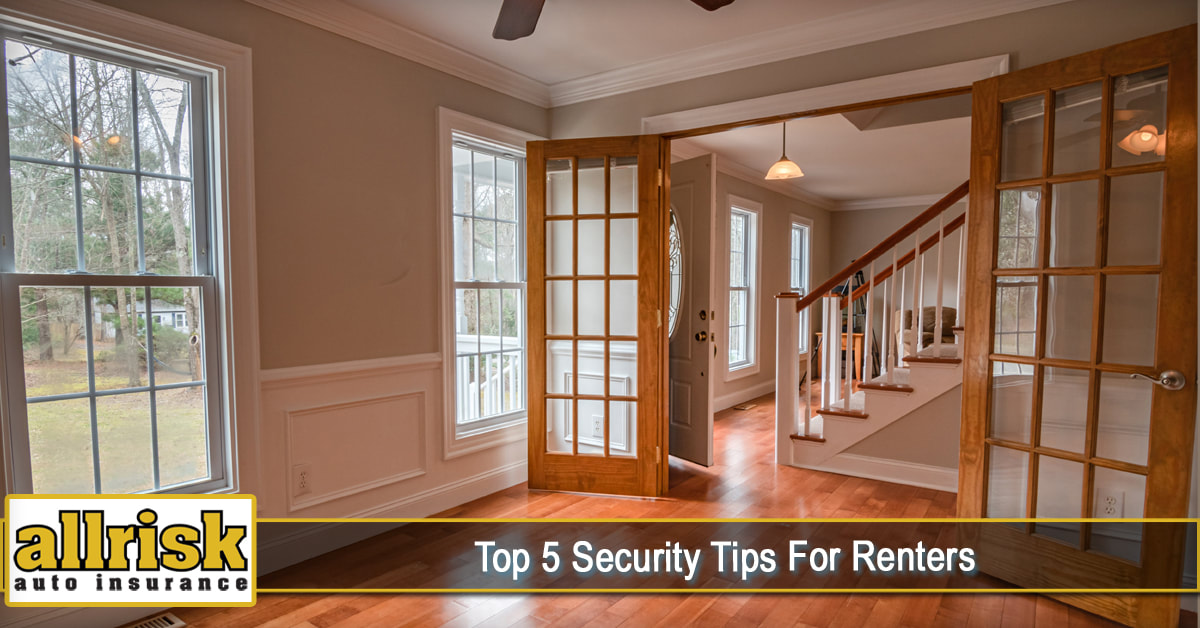 Simply because you rent a house, townhouse, or apartment does not mean you are not at risk of becoming a victim of theft. It is said that burglars more commonly target apartment complexes than single-family homes. So if you have anything precious, regardless of where you reside, you should protect it.
As a tenant, you only have a few security alternatives for your unit. But this should take simple security precautions to keep yourself secure. With that, a security system is a wise decision and a good investment for everyone, especially renters. Here are some renters' security tips that can keep you safe. |
Contact Us(360) 693-4044 Archives
July 2024
Categories
All
|
 RSS Feed