AllRisk Auto Insurance, LLC Blog |
 Discovering that your home insurance claim has been denied can be frustrating and stressful. Home insurance is designed to provide financial protection in the event of damage or loss, so a denial can leave you feeling vulnerable. However, understanding the reasons behind the denial and knowing the steps to take can help you address the situation effectively. This article will guide you through what to do if your home insurance claim is denied, offering practical advice to help you navigate the process.
0 Comments
 Experiencing a home disaster, whether it's a fire, flood, or severe storm, can be a traumatic and overwhelming experience. In the aftermath of such an event, knowing what steps to take to file an insurance claim is crucial for getting the support and financial assistance you need to rebuild and recover. In this comprehensive guide, we'll walk you through the essential steps to take after a home disaster and provide valuable tips for filing an insurance claim efficiently and effectively.
 Selecting the flooring for your home is not just about aesthetics; it also impacts comfort, maintenance, and even insurance considerations. Two popular choices for homeowners are hardwood and carpet flooring. In this article, we'll explore the pros and cons of each flooring type and discuss how your choice can relate to your Home Insurance coverage.
 When it comes to home insurance, several factors can influence the rates you pay. While the size of your home and its location play a role, other less obvious factors, such as your credit score and claims history, can also significantly impact your premiums. Understanding how these factors affect your home insurance rates is essential for homeowners seeking affordable coverage.
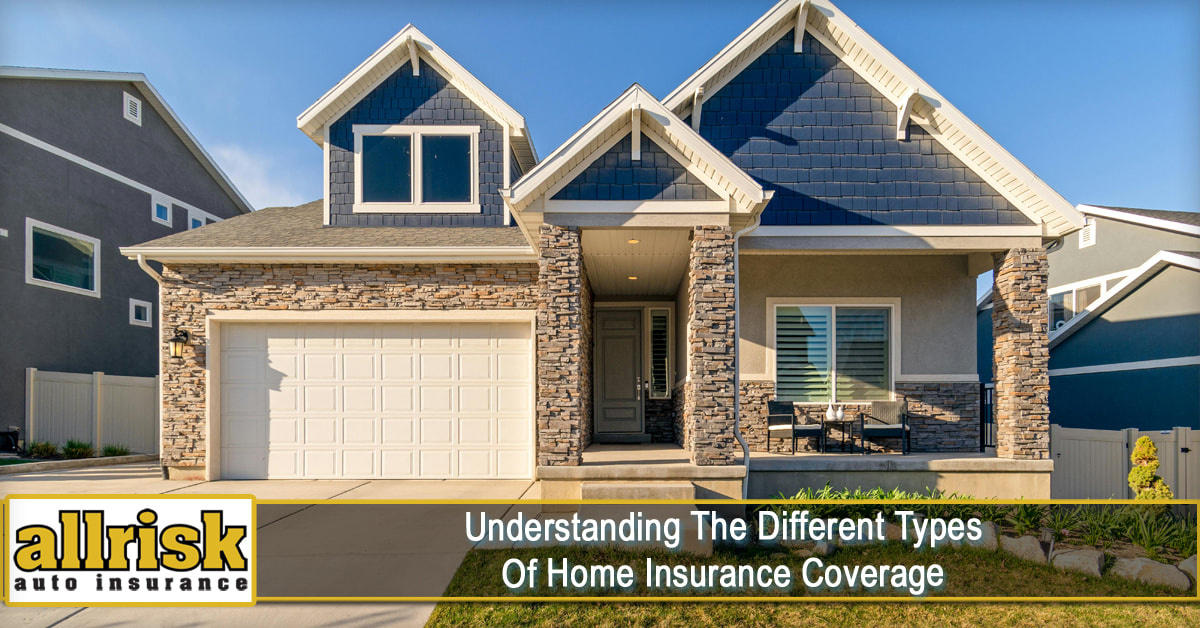 Home insurance is a crucial safeguard for homeowners, providing financial protection in case of unexpected events that can damage or destroy their homes. However, not all home insurance policies are created equal, and homeowners need to understand the different types of coverage available to make informed decisions about their insurance needs. In this blog, we'll explore the various types of home insurance coverage, helping you grasp the essentials of what each type entails.
 Your home is one of your most significant investments, and protecting it from unforeseen events is essential. While standard home insurance provides coverage for various perils such as fire, theft, and vandalism, it typically does not include protection against earthquakes. If you live in an area prone to seismic activity, adding earthquake insurance to your home insurance policy is a wise decision. In this blog, we'll explore the importance of earthquake insurance, what it covers, and why it should be a consideration for homeowners in earthquake-prone regions.
 Home insurance plays a pivotal role in safeguarding property and mitigating financial losses in the face of unexpected events. Homeowners are often presented with various insurance policy options, each tailored to different needs and situations. In this comprehensive comparison, we will delve into two common home insurance policy forms: HO-1 and HO-6. By examining their coverage, benefits, and limitations, we aim to provide homeowners with a clearer understanding of which policy best suits their specific circumstances.
 Your living environment profoundly affects your well-being and motivation. Creating a functional and aesthetically pleasing space is essential for a positive living experience. However, personalizing a rental property can be challenging due to the restrictions imposed by lease agreements. In this article, we'll explore creative ways to make your rental property feel like home while ensuring you protect your investment with the right home insurance.
 Home insurance is a fundamental aspect of homeownership, offering protection and security against unforeseen events. However, misconceptions about home insurance can lead to confusion and inadequate coverage, leaving homeowners vulnerable to financial loss. Whether you're a new homeowner or have had home insurance for years, it's essential to separate fact from fiction to ensure you have the right coverage for your needs. In this article, we'll debunk some common home insurance myths and provide you with the information necessary to make informed decisions about your coverage.
 If you're on the fence about whether to invest in home insurance, it's essential to consider the potential risks and disadvantages of not having this vital coverage. Home insurance provides financial protection and peace of mind for homeowners. Here are four significant disadvantages of forgoing home insurance:
|
Contact Us(360) 693-4044 Archives
July 2024
Categories
All
|
 RSS Feed